politics
FORO PENAL DENUNCIA USO DE FAMILIARES COMO PRESOS POLÍTICOS
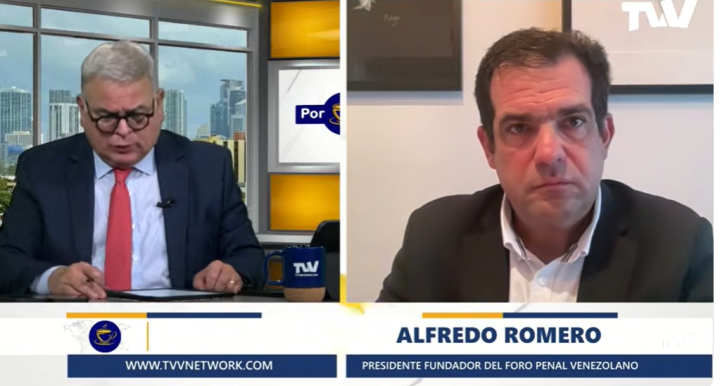
En entrevista con Por la Mañana, Alfredo Romero,presidente fundador de la ONG Foro Penal, analizó la excarcelación de Rafael Tudares Bracho, yerno del presidente electo Edmundo González Urrutia, tras 380 días de detención arbitraria y más de un año en desaparición forzada.
TL;DR
- Rafael Tudares Bracho, son-in-law of president-elect Edmundo González Urrutia, has been released after 380 days of detention.
- This is the 153rd release since January 8th, with 767 political prisoners still detained in Venezuela.
- Tudares' case is notable as he is directly linked to the electoral environment, unlike previous releases.
- Foro Penal classifies detentions of relatives as a 'cowardly and terrible' tactic to pressure a third party.
- Romero cautioned that release does not guarantee freedom due to the possibility of re-detention.
- He emphasized the need for informational prudence, stating individuals are not truly free until safe.
- Romero criticized the lack of official transparency regarding lists of released individuals, stating authorities control the prisons.
- Foro Penal maintains a documented system to verify political prisoners.
- He warned against improvising a transition, given Venezuela's role on the international political stage.
In interview with Por la Mañana, Alfredo Romero,presidente fundador of the NGO Foro Penal, analyzed the excarcelación of Rafael Tudares Bracho, yerno of the president elect Edmundo González Urrutia, after 380 days of detención arbitraria and more than a year in desaparición forzada.
Romero precisó que se trata de la excarcelación number 153 posterior al 8 de enero, in a country where still remain 767 presos políticos privados de libertad. Romero subrayó that the case of Tudares is particularly relevant because it is “almost the first excarcelado linked directly with the electoral environment”, both of Edmundo González as of María Corina Machado, unlike previous liberations concentrated in foreign citizens. Explicó that Tudares was classified under a specific category of political prisoner: the detención of relatives to pressure a third party, a practice that he calificó as “cowardly and terrible”.
The founder of Foro Penal warned that being excarcelado does not equate to being liberated, remembering cases in which people have been detained again after contradictory orders within the repressive apparatus. For this reason, he insisted on the need for informational prudence: “One cannot say that someone is free until they are safe,” he pointed out, alerting about revictimization and the political use of premature announcements.
Finally, Romero questioned the lack of official transparency about the lists of excarcelados and rejected that the authorities allege ignorance. “They have the key to the prisons,” he affirmed, while reiterating that Foro Penal manages a documented system —with names, dates, and location— that allows verifying in minutes who are really political prisoners. In that context, he warned: “One cannot improvise a transition,” especially when Venezuela continues to be a central piece of the international political board.